
Whales of Summer
June 10, 2024
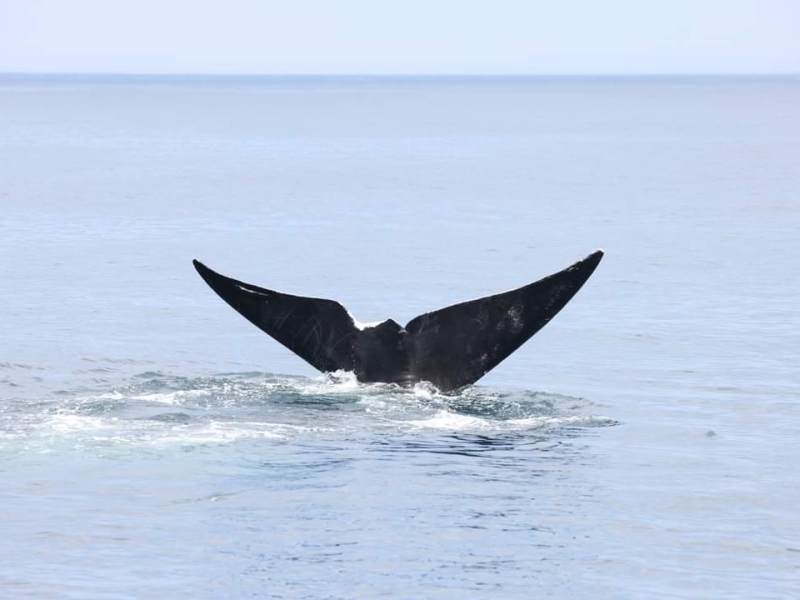
In the mid-Atlantic, baleen whale sightings typically occur during the colder months, with peak activity in December and January. Sightings of humpback and right whales usually decrease by late March through April. While occasional baleen whale sightings, particularly of fin whales, happen during warmer months, large groups are uncommon as summer approaches. Pelagic surveys during this time often focus on odontocetes like sperm whales and beaked whales.
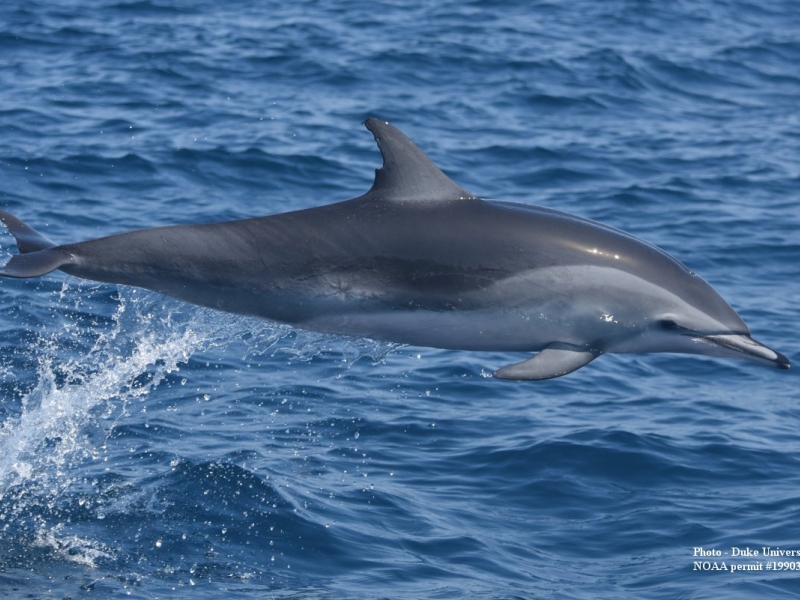
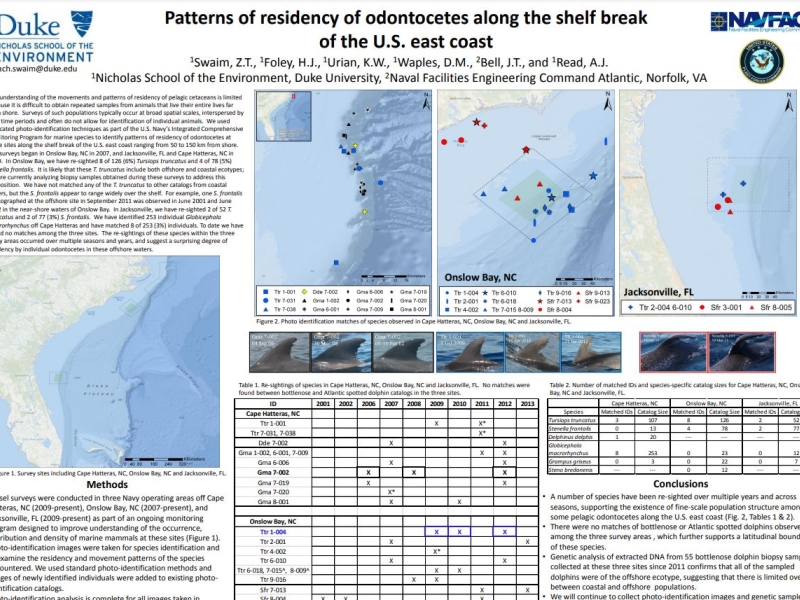
Banner day tagging odontocetes at Hatteras!
June 1, 2016
A busy field day in NC.
Great Day for a Mid-Atlantic Offshore Survey
April 20, 2015
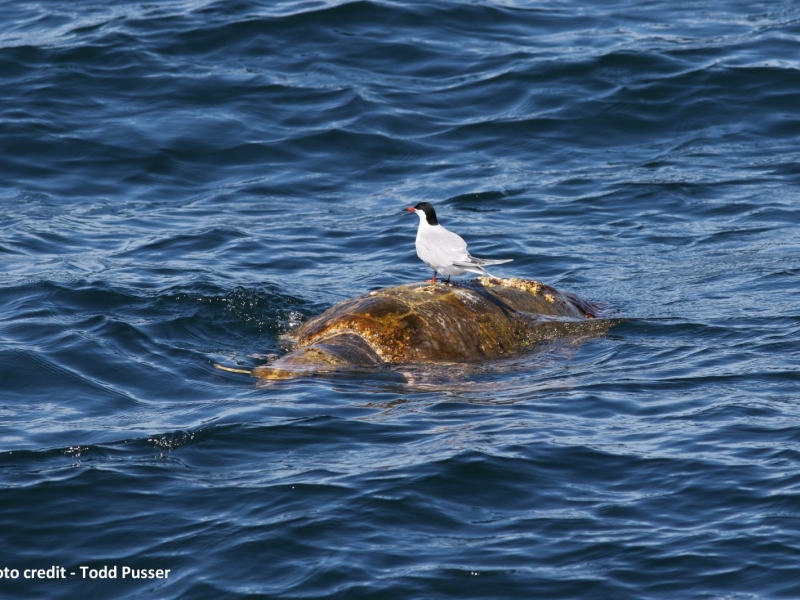
Pelagic cetaceans and sea turtle sightings.
Tagging Whales Off Cape Hatteras
May 21, 2014
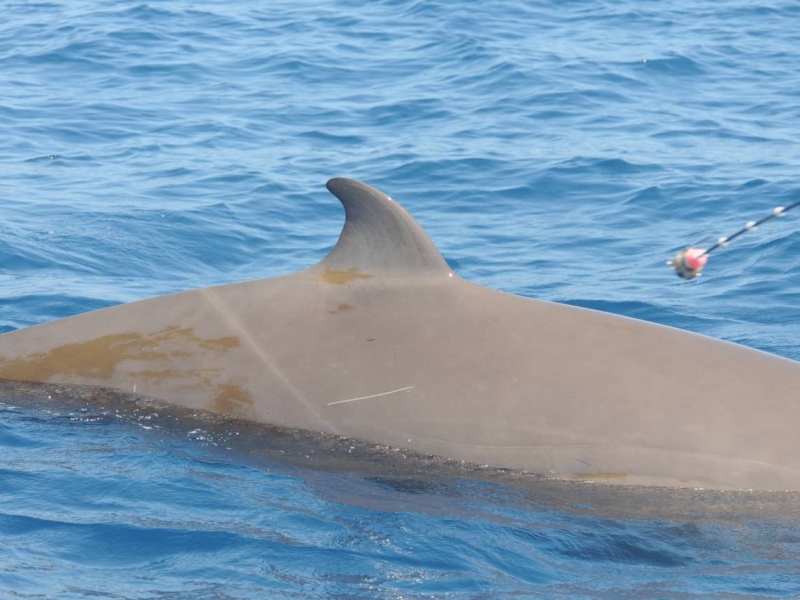
Learning about the movements of odontocetes.
Complete
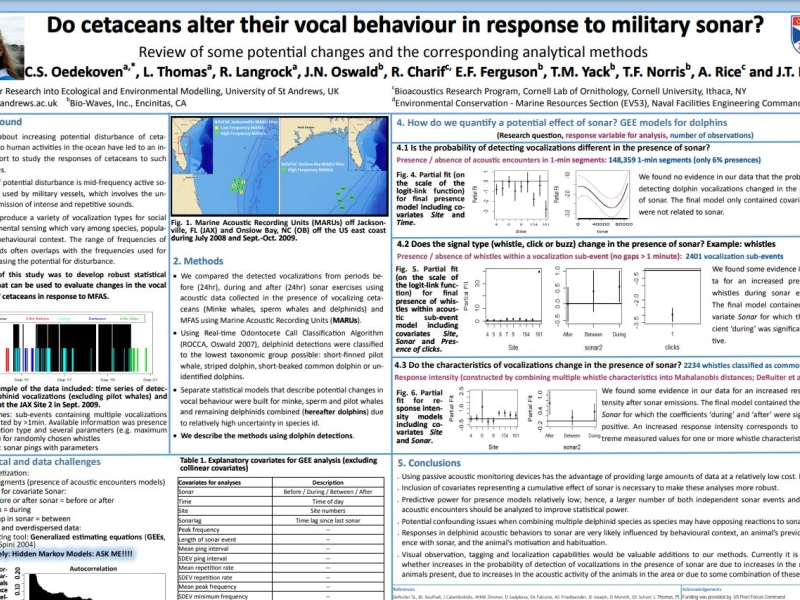
Assessment of Marine Mammal Vocal Response to Sonar
Project Objectives
Develop analytic methods to evaluate the vocal response of odontocetes and mysticetes to sonar from navy training activities
Complete
Occurrence, Distribution, and Density of Marine Mammals Near Naval Station Norfolk and Virginia Beach
Project Objectives
Assess occurrence, seasonality, and abundance of Tursiops in the coastal waters of Hampton Roads military installations
Complete
Occurrence, Ecology, and Behavior of Deep-diving Odontocetes
Project Objectives
Establish behavioral baseline and foraging ecology. Assess behavioral response to acoustic stimuli and Navy training activities
Current
Marine Mammal Sightings During CalCOFI Cruises
Project Objectives
Determine what species and populations of marine mammals are present in Southern California and estimate the abundance and density across seasons
Current
Mid-Atlantic Offshore Cetacean Study
Project Objectives
Assess occurrence, habitat use, and baseline behavior of cetaceans in the offshore and continental shelf break region of the VACAPES OPAREA
More details
Collapse details
Date Published:
Filesize:
- April 1, 2024
This report describes results from vessel surveys and visual species-verification trials conducted at the Jacksonville Shallow Water Training Range (JSWTR) in the Jacksonville Operating Area (OPAREA). This work continues from a multi-institutional monitoring program intended to provide information on the species composition, population identity, density, and baseline behavior of marine mammals and sea turtles present in United States (U.S.) Navy range complexes along the U.S. Atlantic Coast.
- 17,443.07 KB
More details
Collapse details
Date Published:
Filesize:
- July 11, 2011
Ecological acoustic recorders (EARs) have been deployed around the islands of Oahu and Kauai in a project sponsored by the Office of Naval Research. Detailed information on the EAR was published by Lammers et al. (2008). EARs have been deployed from February, 2009 to the present time around Oahu and from February, 2009 until April, 2011 around Kauai. From April, 2011 four EARs in the waters of Kauai have been deployed along the southern coast.
- 1,372.43 KB
Studying the biosonar activities of deep diving odontocetes in Hawaii and other western Pacific locations.
Journal of the Acoustical Society of America. 2014.
136(4,Part 2):2,246
More details
Collapse details
Date Published:
Publication:Ocean:Region:Species:Methods:
- October 31, 2014
Ecological acoustic recorders (EARs) have been deployed at several locations in Hawaii and in other western Pacific locations to study the foraging behavior of deep-diving odontocetes. EARs have been deployed at depths greater than 400 m at five locations around the island of Kauai, one at Ni’ihau, two around the island of Okinawa, and four in the Marianas (two close to island of Guam, one close to the island of Saipan and another close to the island of Tinian).
Incorporating telemetry information into capture-recapture analyses improves precision and accuracy of abundance estimates given spatiotemporally biased recapture effort.
Methods in Ecology and Evolution. 2024.
15:1847–1858.
More details
Collapse details
Date Published:
- February 13, 2024
- 2,529.56 KB
Accounting for sampling bias reveals a decline in abundance of endangered false killer whales in the main Hawaiian Islands.
Endangered Species Research. 2025.
57:325–340
More details
Collapse details
Date Published:
Publication:Ocean:Region:Species:Methods:
- January 1, 2025
Volume contents Endang Species Res 57:325-340 (2025) DOI: https://doi.org/10.3354/esr01423 copied Accounting for sampling bias reveals a decline in abundance of endangered false killer whales in the main Hawaiian Islands Janelle J. Badger Robin W. Baird Devin S. Johnson Amanda L. Bradford Sabre D. Mahaffy Michaela A. Kratofil Tori Cullins Jens J. Currie Stephanie H. Stack Erin M. Oleson ABSTRACT: We estimated abundance of the endangered main Hawaiian Islands (MHI) insular population of false killer whales Pseudorca crassidens from 1999-2022 using a modeling technique that incorporates animal availability in a capture-recapture analysis. The population was sampled using different sampling methods, resulting in yearly encounter histories of 265 individuals and 53 satellite-tagged whales. Survey effort and animal location data were separately analyzed using kernel density estimators, and the degree of overlap between these 2 processes was used to model detection probability in a Bayesian Jolly-Seber population model. This approach better addresses spatiotemporally variable sampling effort than traditional capture-recapture methods, improving the estimation of reliable abundance trends. Using simulated data, the model was robust to many sampling and ecological complications, such as variable low detectability, unequal tag deployment lengths, and variable social group sizes. Fitting the model to the MHI false killer whale data set, we found that the insular population of false killer whales remains small, with an estimated 139 individuals (95% credible interval, CRI = [114, 162]) in 2022. The population appears to be in decline throughout the study period, with a mean annual percent change of -1.09 (95% CRI = [-2.11, -0.023]) over the entire time series and -3.51 (95% CRI = [-5.08, -1.88]) since 2013, when the population was listed as endangered. Given the magnitude of the decline, identifying which of the many factors affecting this population is most responsible is key in order to guide potential management responses.
More details
Collapse details
Date Published:
Filesize:
- February 13, 2022
As part of the long-term United States (U.S.) Navy-funded Marine Species Monitoring Program, from 1-14 August 2021, a combination of boat-based field effort and passive acoustic monitoring was carried out on and around the underwater hydrophone ranges of the Pacific Missile Range Facility (PMRF).
- 4,288.46 KB
More details
Collapse details
Date Published:
Filesize:
- February 5, 2013
A joint project in July and August 2013 on and around the Pacific Missile Range Facility (PMRF) combined passive acoustic monitoring and boat-based field efforts. There were 671 kilometers (36.6 hours [hr]) of small-vessel survey effort over the course of the 8-day project, with 55.1 percent of time (20.2 hr) spent within the PMRF instrumented hydrophone range boundaries. A total of 33.0 hr of acoustic monitoring coincided with the small-vessel field effort.
- 2,118.63 KB
More details
Collapse details
Date Published:
Filesize:
- June 1, 2017
The U.S. Navy’s marine species monitoring program addresses four general topics surrounding the impact of midfrequency active sonar (MFAS) on protected species: occurrence, exposure, response, and consequences. Occurrence of odontocete cetaceans on and around the Pacific Missile Range Facility (PMRF) has been studied for several years using a combination of satellite tags and photo-identification, demonstrating the existence of resident populations of several species of odontocetes and resulting in considerable information on diving behavior and movement patterns of these species.
- 5,755.31 KB
More details
Collapse details
Date Published:
Filesize:
- May 30, 2014
The Pacific Missile Range Facility (PMRF) off the island of Kaua‘i is the site of regular United States (U.S.) Navy training, some of which involves mid-frequency active sonar (MFAS) use from different types of military sound sources. PMRF includes acoustic instrumentation which allows for passive acoustic monitoring (PAM) capabilities to detect and localize sounds such as vocalizing marine mammals. Recent boat-based studies at PMRF have utilized real-time PAM (in conjunction with the Marine Mammal Monitoring on Navy Ranges project) to detect odontocetes for vectoring a field tagging boat to groups in order to increase the likelihood of deploying satellite tags. The resulting data have allowed for an assessment of habitat use and range of several different species. Some of these boat-based tagging efforts were timed to occur just before Submarine Commanders Courses (SCCs) occurring on PMRF so that animal movements and diving behavior could be measured both before and during sonar use.
- 1,819.34 KB
More details
Collapse details
Date Published:
Filesize:
- February 1, 2011
Movements and Spatial Use of Satellite‐tagged Odontocetes in the Western Main Hawaiian Islands: Results of Fieldwork Undertaken off O‘ahu in October 2010 and Kaua‘i in February 2011
- 1,236.87 KB
Effects of Navy sonar on whales and dolphins in the Hawaiian Islands: some data, some speculation, some gaps..
Presentation to the Hawaiian Islands Humpback Whale National Marine Sanctuary Advisory Council (virtual event) .
More details
Collapse details
Date Published:
- September 15, 2020
- 5,898.74 KB
More details
Collapse details
Date Published:
Ocean:Region:Species:Methods:
- March 1, 2021
We assess spatiotemporal overlap between false killer whales and nearshore fisheries in Hawai‘i to identify fisheries and regions where interactions are most likely to occur. Interactions with fisheries was cited as the greatest threat to this population's viability as a result of growing evidence over recent decades. We used false killer whale location data from 38 satellite tag deployments (2007–2018) and commercial fishery catch logs from a corresponding period to develop fishery overlap indices (FOIs) from a perspective that should reflect the experience of local fishermen
Fishery interactions for three populations of false killer whales in Hawai’i: Assessment using dorsal fin line injuries.
20th Biennial Conference on the Biology of Marine Mammals .
More details
Collapse details
Date Published:
- December 9, 2013
- 4,123.37 KB
Mouthline injuries as an indicator of fisheries interactions for false killer whales and pygmy killer whales in Hawai'i.
21st Biennial Conference on the Biology of Marine Mammals .
More details
Collapse details
Date Published:
Filesize:
- December 13, 2015
Evidence from strandings and anecdotal reports indicate that a number of odontocete species interact with near-shore fisheries in Hawai'i. In the absence of observer programs in these fisheries, we evaluated mouthline injuries from known resident populations of false killer whales and pygmy killer whales, to assess the viability of this method to document injuries associated with hook and line fishery interactions. All individuals with mouthlines visible were selected from photo-ID catalogs and scored for presence of mouthline injuries consistent with fisheries interactions. Ninety-seven false killer whales and 47 pygmy killer whales had ≥50% of the mouthline visible using fair to excellent quality photos, with a mean of 67% and 59% mouthline visible, respectively. Preliminary analysis suggests that main Hawaiian Islands insular false killer whales have high rates of mouthline injuries- 20% of adult and sub-adult individuals with ≥50% mouthline visible have injuries consistent with fisheries interactions, supporting studies using dorsal fin injuries that indicate individuals from this population regularly interact with fisheries. Pygmy killer whales also appear to interact with fisheries at high rates. Of adult and sub-adult individuals off Hawai'i and O'ahu with ≥50% of the mouthline visible, 31% have injuries consistent with fisheries interactions. Since pygmy killer whales feed primarily at night, and there are few reports of them depredating lines, mouthline injury analysis provides new insight into fisheries interactions for this species. Scars on pygmy killer whales heal white and are easier to detect than healed injuries on false killer whales, thus a greater proportion of individuals with such injuries may be detected for pygmy killer whales. With both species, the proportion of mouthline visible increased the likelihood of mouthline injuries being detected. Injury rates are negatively biased, since those individuals scored as having no mouthline injury may not have had their entire mouthline visible. Further efforts will aim to identify injury rates in short-finned pilot whales and rough-toothed dolphins. An examination of differences in injury rates between age classes, and multi-species comparisons will also be undertaken to better understand fisheries interactions.
- 115.50 KB
More details
Collapse details
Date Published:
Filesize:
- March 6, 2024
For the period of funding, Dr. Will Gough has been working at the Marine Mammal Research Program (MMRP) on a number of goals that will build capacity within Hawaii and advance the Navy’s goals related to the long-term health of protected marine mammal species. These goals relate to Dr. Gough’s expertise working with accelerometry-based biologging tags and include: setting up infrastructure at the MMRP to maintain large quantities of tag data, collecting novel data and expanding existing datasets through field efforts, training members of the Navy and MMRP to work effectively with accelerometry data and biologging devices, develop training materials and short-form workshops to disseminate knowledge of accelerometry data processing and analysis more broadly within the Hawaiian community, and use new and existing datasets to answer questions of relevance to the Navy and other organizations tasked with monitoring and management of protected species.
- 271.70 KB
Abundance Estimates of False Killer Whales in Hawaiian Waters and the Broader Central Pacific.
NOAA technical memorandum NMFS PIFSC. 2020.
104, 78
More details
Collapse details
Date Published:
Publication:Ocean:Region:Species:Methods:
- January 1, 2020
The abundance of two remote and broadly-distributed populations of false killer whales (Pseudorca crassidens) in Hawaiian waters was estimated using sighting data collected from ship-based, line-transect surveys conducted by NOAA Fisheries within the central Pacific between 1986−2017, including the three Hawaiian Islands Cetacean and Ecosystem.
Line-transect Abundance Estimates of Cetaceans in U.S. Waters around the Hawaiian Islands in 2002, 2010, and 2017.
NOAA technical memorandum NMFS PIFSC. 2021.
115. https://doi.org/10.25923/daz4-kw84
More details
Collapse details
Date Published:
Publication:Ocean:Region:Species:
- January 1, 2021
The Hawaiian Islands Cetacean and Ecosystem Assessment Survey (HICEAS) is a recurring ship-based, line-transect survey designed to estimate cetacean abundance in the entirety of the Hawaiian EEZ.
- Blue whale
- Bryde's whale
- Humpback whale
- Minke whale
- Sei whale
- Blainville's beaked whale
- Bottlenose dolphin
- Goose-beaked whale
- False killer whale
- Fraser's dolphin
- Killer whale
- Longman’s beaked whale
- Melon-headed whale
- Pygmy killer whale
- Risso's dolphin
- Rough-toothed dolphin
- Short-finned pilot whale
- Sperm whale
- Spinner dolphin
- Spotted dolphin
- Striped dolphin
Targeted surveillance detected novel beaked whale circovirus in ten new host cetacean species across the Pacific basin.
Frontiers in Marine Science. 2023.
9:945289
More details
Collapse details
Date Published:
Publication:Ocean:Region:Species:Methods:
- January 25, 2023
The first cetacean circovirus, beaked whale circovirus (BWCV), was recently reported in a Longman’s beaked whale (Indopacetus pacificus) stranded in Hawai‘i and represents an emergent disease with unknown population impacts. In other species, circovirus infection may cause mortality or opportunistic co-infection by other pathogens. We report on a targeted surveillance of stranded cetaceans in the Pacific basin, including archived beaked whale species, strandings where pathological findings suggested disease presence, mass stranded animals, and additional individuals to represent a broad range of Hawaiian cetacean species. Archived tissues primarily from the brain, kidney, liver, lung, spleen, and lymph nodes of individuals stranded between 2000 and 2020 (n=30) were tested by PCR for the presence of BWCV.
More details
Collapse details
Date Published:
Filesize:
- September 21, 2012
A marine mammal species verification and satellite tagging test was carried out as part of the Marine Mammal Monitoring on Navy Ranges (M3R) program in collaboration with the Cascadia Research Collective from 11 June to 02 August 2012 at the Pacific Missile Range Facility (PMRF). The primary objective of the test was to acoustically detect marine mammals at PMRF and vector observers to vocalizing animals. This allowed the team to: 1) Visually verify at-sea species acoustically detected on the PMRF undersea range 2) Deploy satellite tags on marine mammals prior to the Rim of the Pacific Exercise (RIMPAC) to monitor animals’ movement before, during and after navy training. 3) Photograph animals to create a photo-ID record for the Hawaii Range Complex 4) Collect biological samples (fecal/biopsy) 5) Document group composition and behavior
- 1,372.72 KB
More details
Collapse details
Date Published:
Filesize:
- May 23, 2023
In the Pacific the Marine Mammal Monitoring on Navy Ranges (M3R) program maintains systems that continuously run algorithms to detect, classify and localize marine mammals year-round on the U.S. Navy’s deep-water Southern California Antisubmarine Warfare Range (SOAR) in Southern California and Pacific Missile Range Facility (PMRF) off Kauai, Hawai’i. Long-term archive data collected on these ranges allows for numerous types of studies on species inhabiting the ranges, including the monitoring of abundance and distribution, behavioral responses to naval activities, and habitat usage. They also provide the opportunity to study ambient noise and soundscapes.
- 6,319.26 KB
More details
Collapse details
Date Published:
Filesize:
- January 1, 2011
Cetacean distribution and abundance are reported from the first systematic line-transect visual survey in the waters of Guam and the Commonwealth of the Northern Mariana Islands (CNMI). The survey was conducted during January–April 2007 following standard line-transect protocols. Trackline coverage (11,033 km) was dominated by high sea states (88.2%); however, 13 cetacean species were recorded.
- 3,581.88 KB
Distribution and Abundance Estimates for Cetaceans in the Waters of Guam and the Commonwealth of the Northern Mariana Islands.
Pacific Science. 2011.
Vol. 65, no. 3:321 – 343
More details
Collapse details
Date Published:
Publication:Ocean:Region:Species:Methods:
- January 1, 2011
Cetacean distribution and abundance are reported from the first systematic line-transect visual survey in the waters of Guam and the Commonwealth of the Northern Mariana Islands (CNMI). The survey was conducted during January–April 2007 following standard line-transect protocols.
False killer whales and fisheries in Hawaiian waters: evidence from mouthline and dorsal fin injuries reveal ongoing and repeated interactions.
Endangered Species Research. 2024.
55:273–293
More details
Collapse details
Date Published:
- December 18, 2024
More details
Collapse details
Date Published:
Filesize:
- June 1, 2011
This report presents the results of marine mammal monitoring for the Koa Kai 11‐1 training event, and represents the continued monitoring efforts under the U.S. Navy’s Marine Species Monitoring Program. The objectives of the vessel‐based monitoring effort for Koa Kai 11‐1 consisted of the following: Perform focal behavioral follows of marine mammals during the course of a training event involving ASW. Assess the occurrence, distribution, and behavior of target species (marine mammals and sea turtles) using a vessel‐based line transect survey within the HRC in waters within or adjacent to the area where ships were training. Locate individual false killer whales (Pseudorca crassidens), pygmy killer whales (Feresa attenuata), and short‐finned pilot whales (Globicephala macrorhynchus) tagged by Dr. Robin Baird with Cascadia Research. Investigate the occurrence, distribution, and behavior of target species (marine mammals and sea turtles) using vessel‐based line transect survey in waters within or adjacent to the area where Navy ships were training
- 2,377.86 KB
More details
Collapse details
Date Published:
Filesize:
- January 1, 2012
In order to support the U.S. Navy in meeting regulatory requirements for monitoring established under the Final Rules and to provide a mechanism to assist with coordination of program objectives under the ICMP, this survey was conducted to confirm the Marine Mammal Monitoring on Navy Ranges (M3R) acoustic detections and marine mammal satellite tagging was prior to a training event, the Submarine Commander’s Course exercise, which would be conducted in the same area during February 2012.This report presents the methods and preliminary results of a vessel-based visual and acoustic survey effort that was conducted in conjunction with a tagging and species-validation project
- 2,313.85 KB
More details
Collapse details
Date Published:
Filesize:
- August 1, 2024
This report summarizes the results of satellite-tagging efforts conducted before Submarine Command Course (SCC) training events in August 2021 and 2022, at the Pacific Missile Range Facility (PMRF) off the island of Kauaʻi. Researchers tagged 21 delphinids to observe their behavior before, during, and after the SCCs, to estimate received levels (RLs) of mid-frequency active sonar (MFAS).
- 5,346.69 KB
More details
Collapse details
Date Published:
Filesize:
- October 1, 2010
This report summarizes work conducted in FY2009-FY2010 with Navy support to characterize marine mammal sounds related to passive acoustic monitoring in the Hawaii Range Complex (HRC). Existing acoustic data from the Hawaii Range Complex area were analyzed to provide better descriptions of acoustic signals by species.
- 1,122.87 KB
More details
Collapse details
Date Published:
Filesize:
- January 1, 2018
Passive acoustic monitoring was conducted using High-frequency Acoustic Recording Packages (HARPs) deployed in waters offshore of Virginia, North Carolina, and Florida with support from the US Navy during 2016 - 2017. The HARPs recorded underwater sounds between 10 Hz and 100 kHz. Data analysis consisted of analyst scans of long-term spectral averages (LTSAs) and spectrograms, and automated computer algorithm detection when possible. Three frequency bands were analyzed for marine mammal vocalizations and anthropogenic sounds: (1) Lowfrequency, between 10-1000 Hz, (2) Mid-frequency, between 1,000-5,000 Hz, and (3) Highfrequency, between 1-100 kHz.
- 5,208.04 KB
- Blue whale
- Bryde's whale
- Fin whale
- Minke whale
- North Atlantic right whale
- Sei whale
- Atlantic white-sided dolphin
- Blainville's beaked whale
- Bottlenose dolphin
- Clymene dolphin
- Common dolphin
- Goose-beaked whale
- Dwarf sperm whale
- False killer whale
- Gervais' beaked whale
- Killer whale
- Northern bottlenose whale
- Risso's dolphin
- Rough-toothed dolphin
- Short-finned pilot whale
- Sowerby's beaked whale
- Sperm whale
- Spotted dolphin
- Striped dolphin
More details
Collapse details
Date Published:
Filesize:
- March 1, 2019
The PIFSC CRP has conducted research on cetaceans in the Mariana Archipelago since 2010. A cooperative effort with funding from U.S. Navy Pacific Fleet and PIFSC has included summer and winter small-boat surveys off the southernmost islands (Saipan, Tinian, Aguijan, Rota, and Guam), development of photo-ID catalogs, analysis of collected tissue samples and satellite telemetry tag data, and shipboard visual and PAM surveys in portions of the EEZ in 2010 and 2015. PIFSC has maintained long-term PAM on moored recorders off Saipan and Tinian (since 2010) and off Pagan (since 2015) as part of the Pacific Islands Passive Acoustic Network (PIPAN). The goal of these efforts is to collect the data necessary to conduct population assessments for cetaceans within the Mariana Archipelago, including the determination of their occurrence, population structure and abundance, movements, distribution, and habitat use.
- 6,884.39 KB
More details
Collapse details
Date Published:
Filesize:
- January 1, 2013
e Pacific Islands Fisheries Science Center’s (PIFSC) Cetacean Research Program (CRP) conducted surveys for cetaceans in the waters surrounding Guam and the Commonwealth of the Northern Mariana Islands (CNMI) in an effort to further develop a record of cetacean occurrence in the region.1 This was the fourth year conducting cetacean surveys aboard small boats (7.6 – 12.2 m) around the southern Mariana Islands of Guam, Rota, Saipan, Tinian, and Aguijan (Fig. 1). This project was carried out in partnership with the Commander, U.S. Pacific Fleet by a team of four primary personnel (Table 1). The collected data are being used to reveal the occurrence and distribution, stock structure, and movements of cetaceans within the study area.
- 1,488.70 KB
More details
Collapse details
Date Published:
Filesize:
- January 1, 2016
The Pacific Islands Fisheries Science Center’s (PIFSC) Cetacean Research Program (CRP) has been conducting visual surveys and long-term acoustic monitoring for cetaceans in the waters surrounding Guam and the Commonwealth of the Northern Mariana Islands (CNMI) as part of an ongoing effort to develop a record of cetacean occurrence in the region. Visual surveys have been conducted aboard small boats (7.6-12.2 m) since 2010 off the southernmost islands of the Mariana Archipelago (Guam, Rota, Saipan, Tinian, and Aguijan). These surveys include the collection of photographs for individual identification, tissue samples for genetic analysis of population structure, and the deployment of satellite tags for assessment of individual movements throughout the broader region.
- 3,259.39 KB
More details
Collapse details
Date Published:
Filesize:
- September 2, 2014
an effort to further develop a record of cetacean occurrence in the region, as well as to gather photos and biopsy samples and deploy satellite tags for population studies, the Pacific Islands Fisheries Science Center's (PIFSC) Cetacean Research Program (CRP) conducted surveys for cetaceans in the waters surrounding Guam and the CNМІ (Figure 1) during 2010-2014. This research was carried out in partnership with the U.S. Navy and is expected to continue through 2015. Detailed reports for each survey year were submitted to the Navy (Oleson and Hill 2010, Ligon et al. 2011, Hill et al. 2012, Hill et al. 2013).
- 4,374.27 KB
More details
Collapse details
Date Published:
Filesize:
- March 27, 2015
The Pacific Islands Fisheries Science Center’s (PIFSC) Cetacean Research Program (CRP) has been conducting visual surveys for cetaceans in the waters surrounding Guam and the Commonwealth of the Northern Mariana Islands (CNMI) and collecting long-term passive acoustic monitoring data at two sites in CNMI as part of an ongoing effort to develop a record of cetacean occurrence in the region. Visual surveys, conducted aboard small boats (7.6 – 12.2 m), have been ongoing since 2010 off the southern Mariana Islands of Guam, Rota, Saipan, Tinian, and Aguijan. T
- 3,614.97 KB
Cetacean Research in the Marianas.
NMFS-PIFSC External Program Review of Protected Species Science .
More details
Collapse details
Date Published:
Filesize:
- April 16, 2026
Goals: Understand species occurrence and distribution. Determine the population structure and abundance of the those species. Study the movements and habitat use of individuals and populations. Methods: Small boat-based and ship-based surveys. Passive acoustic recordings (HARPs & towed array). Photo-ID, biopsy sampling, and satellite tagging.
- 5,971.92 KB
Biologically Important Areas II for cetaceans within U.S. and adjacent waters – Hawaiʻi Region.
Frontiers in Marine Science. 2023.
10:21
More details
Collapse details
Date Published:
Publication:Ocean:Region:Species:Methods:
- January 25, 2023
In this assessment we incorporated published and unpublished information to delineate and score Biologically Important Areas (BIAs) for cetaceans in the Hawaiʻi region following standardized criteria. Twenty-six cetacean species have been documented in Hawaiʻi. Eleven odontocete species have distinct small populations resident to one or more island areas: rough-toothed dolphins, pantropical spotted dolphins, common bottlenose dolphins, spinner dolphins, short-finned pilot whales, false killer whales, pygmy killer whales, melon-headed whales, Blainville’s beaked whales, Cuvier’s beaked whales, and dwarf sperm whales.
Life history and social structure as drivers of persistent organic pollutant levels and stable isotopes in Hawaiian false killer whales (Pseudorca crassidens).
Science of the Total Environment. 2020.
Volume 733
More details
Collapse details
Date Published:
Publication:Ocean:Region:Species:Methods:
- September 1, 2020
False killer whales are long-lived, slow to mature, apex predators, and therefore susceptible to bioaccumulation of persistent organic pollutants (POPs). Hawaiian waters are home to three distinct populations: pelagic; Northwestern Hawaiian Islands (NWHI) insular; and main Hawaiian Islands (MHI) insular. Following a precipitous decline over recent decades, the MHI population was listed as “endangered” under the Endangered Species Act in 2012. This study assesses the risk of POP exposure to these populations by examining pollutant concentrations and ratios from blubber samples (n = 56) related to life history characteristics and MHI social clusters.
Ecological contexts of diving behavior in Hawaiian false killer whales.
Movement Ecology. 2026.
Volume 14 (17)
More details
Collapse details
Date Published:
- March 6, 2026
Identifying social clusters of endangered main Hawaiian Islands insular false killer whales.
Endangered Species Research. 2023.
51:249–268
More details
Collapse details
Date Published:
Publication:Ocean:Region:Species:Methods:
- August 3, 2023
The presence of distinct social groups within an animal population can result in heterogeneity in many aspects of its life history and ecology. The ability to accurately assess social group membership increases with the number of times individuals are identified, but obtaining sufficient sightings of rarely encountered species can be difficult. Three social clusters were previously identified for the endangered population of false killer whales Pseudorca crassidens around the main Hawaiian Islands, using modularity among associations within a 12 yr photographic dataset with no restrictions on the number of times seen. In this study, we used photo-identification data over a 23 yr period to reassess the number and membership of social clusters, restricted to individuals seen on at least 5 different days. We compared the robustness of clustering assignments from 6 community detection algorithms using modularity and found that the 3 highest-ranking algorithms all identified the same number (4) and membership of social clusters. Spatial use of clusters varied among the islands, with 3 of the 4 clusters encountered regularly only off 1 or 2 of the 3 main island study areas. Comparison of genetic differentiation among social clusters revealed significant differentiation in nuclear DNA. Furthermore, all individuals in 2 of the clusters possess the same mitochondrial DNA haplotype, while in the other 2 clusters, approximately 40% of animals possess a second haplotype. This level of clustering and associated heterogeneity within the population may have implications for mark−recapture abundance estimation, as well as for mitigating exposure to anthropogenic activities, including interactions with fisheries.
More details
Collapse details
Date Published:
- January 10, 2016
More details
Collapse details
Date Published:
Filesize:
- September 25, 2006
A total of six aerial surveys of marine mammals were performed on dates corresponding with scheduled dates for “choke point” maneuvers of the “Rim of the Pacific” (RIMPAC) joint military exercises in Hawaiian waters. Three surveys were performed in the vicinity of the Kaulakahi Channel (between Kauai and Niihau) (July 16, 17 and 20) and three were performed in the Alenuihaha Channel (between Hawaii and Maui) (July 24-26). The mission of the surveys was to detect, locate and identify all marine mammal species in the target areas using methods consistent with modern distance sampling theory.
- 488.71 KB
More details
Collapse details
Date Published:
Filesize:
- October 1, 2010
Aerial Survey Monitoring for Marine Mammals and Sea Turtles in the Hawaii Range Complex in Conjunction with a Navy Training Event
- 1,077.43 KB
More details
Collapse details
Date Published:
Filesize:
- June 11, 2013
The purpose of this preliminary report is to describe the status of progress on data analysis and describe the relevant research questions that may be addressed. Of the five research questions identified in the U.S. Navy’s Hawaii Range Complex Monitoring Plan (DoN 2008), two of them were judged to be addressable using the focal-follow approach: 1. Question 1: “Are marine mammals (and sea turtles) exposed to MFAS, especially at levels associated with adverse effects? If so, at what levels are they exposed?” 2. Question 3: “If marine mammals (and sea turtles) are exposed to MFAS, what are their behavioral responses to various received levels?”
- 916.15 KB
More details
Collapse details
Date Published:
Filesize:
- November 1, 2013
During 2007, the first large-scale survey for marine mammals and sea turtles -- the Mariana Islands Sea Turtle and Cetacean Survey (MISTCS) -- was conducted in the Navy’s Mariana Islands Range Complex (MIRC; DoN 2007, Fulling et al. 2011). The survey region encompassed approximately 584,800 square kilometers (km2) and was a rectangle bounded by 18° – 10° N and 142° –148° E. The survey used standard line-transect methodology and also included passive acoustic monitoring (PAM) using a towed hydrophone array system.
- 12,713.19 KB
More details
Collapse details
Date Published:
Filesize:
- February 1, 2009
This report covers two separate activities carried out by the Cetacean Research Program at the Pacific Islands Fisheries Science Center from February to June 2009. A cetacean assessment survey of the main Hawaiian Islands was conducted by NMFS in February 2009. The survey was designed to conform to the 2002 NMFS HICEAS survey (Hawaiian Islands Cetacean Ecosystem Assessment Survey) so that abundance and distribution estimates would be comparable.
- 346.82 KB
More details
Collapse details
Date Published:
Filesize:
- January 1, 2010
This report covers a number of activities carried out by the Cetacean Research Program (CRP) at the Pacific Islands Fisheries Science Center (PIFSC) in 2009 and 2010 supported with partial funding from U.S. Navy Pacific Fleet (PACFLT). The report is intended to provide preliminary data and results from 4 survey efforts between Hawaii and Guam in early 2010.
- 807.19 KB
Passive Acoustic Contributions to Stock Assessment in the Cetacean Research Program.
NMFS-PIFSC External Program Review of Protected Species Science .
More details
Collapse details
Date Published:
Filesize:
- July 27, 2015
Passive acoustic techniques are a proven tool for cetacean monitoring • Sounds travels further through water than light, such that most cetacean species use sound for foraging, communication, and navigation • Poor sea conditions reduce visual detection, but have less impact on acoustic detection • Autonomous systems provide for remote, long-term, mobile or stationary monitoring • Today there is wide-spread use and development of highly capable systems to monitor species distribution, movements, habitat, abundance, and the impacts of ocean noise.
- 6,394.27 KB
More details
Collapse details
Date Published:
Filesize:
- December 3, 2016
The protected status of false killer whale (Pseudorca crassidens) populations in Hawaiian waters, combined with limited data on population sizes and trends in their abundance, makes it critical to develop monitoring methods and to mitigate negative interactions between false killer whale populations and anthropogenic activities. Acoustic methods are wellsuited for studying and monitoring this species, due to its soniferous (i.e., sound-producing) nature. Continued development of methods for detection and classification of marine mammal sounds requires extensive datasets for training classifiers and ground-truthing detection algorithms.
- 3,503.71 KB
More details
Collapse details
Date Published:
Filesize:
- May 1, 2017
This report describes the results of a study designed to explore some of the factors that may contribute to ambiguity in species identification using delphinid whistles. We have obtained field recordings of wild and trained (captive) odontocetes in their natural environment under a variety of scenarios, including at the sea surface, at multiple depths in the water column, in different geographic locations, and in different behavioral states
- 2,105.04 KB
The call of the wily: Using acoustics to identify delphinid species not visually confirmed in the waters around Guam and the Northern Mariana Islands.
Southern California Marine Mammal Workshop 2014 .
More details
Collapse details
Date Published:
Filesize:
- January 31, 2014
During a combined visual and acoustic cetacean abundance survey that took place in the waters around Guam and the Northern Mariana Islands, delphinid whistles were frequently detected, but were not always coupled with visual observations. As a resu lt, many acoustic detections were not identified to spec ies. Very little data exist on the occurrence and distribution of delphinids in this study area, so the ability to acoustically identify species that were not sighted can provide important information regard ing the occurrence and distribution of delphinid species in these waters.
- 1,513.42 KB
More details
Collapse details
Date Published:
Filesize:
- January 1, 2023
Analysis of scat samples from animals is a non‐invasive technique that can provide important data on animal diet, hormone levels, microbiome, and genetics. The use of a trained Conservation Canine (K9) to detect marine mammal scat at sea has been proven to be useful in the Pacific Northwest with Southern Resident Killer Whales (Lundin et al. 2016) and in other unpublished reports and media, but until now, had not been documented in Hawaii. In order to explore the viability of this method in Hawaii, the Navy invested in a pilot study, where the K9 was successfully trained to detect and ‘direct’ boat drivers – via changes in behavior – to the scat of three species of marine mammals (G. macrorynchus, K. breviceps, and P. crassidens).
- 408.64 KB
More details
Collapse details
Date Published:
Filesize:
- October 1, 2010
The goal of the aerial survey was “to monitor and report the presence/absence, distribution/re-distribution, reaction/no reaction, injury, and/or mortality of MM/ST during exposure to SCC OPS Navy training event”. This involved monitoring and reporting, in as detailed fashion as possible, the surface behavior of MM/ST. In particular, we were to monitor for any changes in the near-surface behavior, orientation, occurrence, and location of animals relative to the USS Lake Erie’s activities using a systematic search and focal follow method. This included monitoring for any potentially dead, injured, or distressed animals and “any animals found to be exhibiting behaviors or associations deemed unusual”
- 499.86 KB
More details
Collapse details
Date Published:
Filesize:
- August 1, 2007
The objective of Mariana Islands Sea Turtle and Cetacean Survey (MISTCS) was to conduct the first systematic line-transect visual survey of the waters around Guam and the Northern Mariana Islands and generate density estimates for those species which had adequate data.
- 6,725.14 KB
More details
Collapse details
Date Published:
Filesize:
- October 1, 2010
The monitoring plan and reporting will provide science-based answers to questions regarding whether or not marine mammals are exposed and reacting to Navy MFAS. The objectives of the monitoring plan are to answer the following questions: 1. Are marine mammals and sea turtles exposed to MFAS at regulatory thresholds of harm or harassment? If so, at what levels and how frequently are they exposed? 2. If marine mammals and sea turtles are exposed to MFAS in the HRC, do they redistribute geographically in the HRC as a result of repeated exposure? If so, how long does the redistribution last? 3. If marine mammals and sea turtles are exposed to MFAS, what are their behavioral responses? Are they different at various levels? 4. What are the behavioral responses of marine mammals and sea turtles that are exposed to various levels and distances from explosives? 5. Are the Navy’s suite of mitigation measures for MFAS and explosives (e.g., Protective Measures Assessment Protocol [PMAP], measures agreed to by the Navy through permitting and consultation) effective at avoiding harm or harassment of marine mammals and sea turtles?
- 1,280.19 KB
More details
Collapse details
Date Published:
Filesize:
- January 1, 2020
Long-term high-frequency acoustic recording packages (HARPs) at eight sites along the western North Atlantic shelf break.
- 1,430.35 KB
- Blue whale
- Fin whale
- Humpback whale
- North Atlantic right whale
- Sei whale
- Atlantic white-sided dolphin
- Blainville's beaked whale
- Bottlenose dolphin
- Common dolphin
- Goose-beaked whale
- False killer whale
- Gervais' beaked whale
- Killer whale
- Northern bottlenose whale
- Pilot whale
- Rough-toothed dolphin
- Short-finned pilot whale
- Sowerby's beaked whale
- Sperm whale
- Spotted dolphin
- Striped dolphin
- True's beaked whale
More details
Collapse details
Date Published:
Filesize:
- March 16, 2022
This project provides support for comprehensive stranding investigations in order to obtain increased baseline information about the health of marine mammals. Such support is essential when considering the Pacific Islands region (PIR) where unique geographical challenges exist.
- 384.84 KB
More details
Collapse details
Date Published:
Filesize:
- September 9, 2024
We report significant pathological findings from 250 stranding investigations of 20 cetacean species in the Pacific Islands region between 2006 and 2022. Full or partial necropsies of 196 of the 250 stranding cases (78.4%) resulted in a diagnosis or multiple diagnoses associated with death in 126 cases. Natural disease accounted for 60.3% of stranded animals; approximately half were in poor body condition at time of death due to chronic illness. Morbillivirus and Brucella sp. infections caused mortality in eleven species, including striped dolphins and the Longman’s beaked whale. Toxoplasma infection, of anthropogenic cause in Hawaiʻi, led to the deaths of two spinner dolphins. Pygmy and dwarf sperm whales, beaked whales and pilot whales showed heavy parasitism by nematodes, cestodes and trematodes. Approximately 12.7% of stranded individuals were perinates/neonates, with three cases of dystocia with maternal mortality. Anthropogenic trauma was observed in 30.2% of strandings. In seven Cuvier’s beaked whales, cranial and/or microvascular hemorrhages were categorized as trauma. Vertebral and skull fractures were attributed to direct vessel strikes for two pygmy sperm whales, a Cuvier’s beaked whale, a humpback whale calf and a striped dolphin. Blast trauma was observed in three Fraser’s dolphins that were part of an uncommon stranding event. Significant plastic debris, and/or fishery debris were found in stomachs of six species and fatal fishhook penetration occurred in a Submitted in Support of the U.S. Navy’s 2023 Annual Marine Species Monitoring Report for the Pacific STANDARD FORM 298 Back (Rev. 8/98) bottlenose dolphin. This study highlights the value of carcass examinations in a region inhabited by small island associated populations where carcass recovery rates are low, and cetaceans face an array of natural and anthropogenic threats.
- 1,496.52 KB
- Humpback whale
- Blainville's beaked whale
- Bottlenose dolphin
- Goose-beaked whale
- Dwarf sperm whale
- False killer whale
- Fraser's dolphin
- Killer whale
- Longman’s beaked whale
- Melon-headed whale
- Pilot whale
- Pygmy killer whale
- Risso's dolphin
- Rough-toothed dolphin
- Short-finned pilot whale
- Sperm whale
- Spinner dolphin
- Spotted dolphin
- Striped dolphin
More details
Collapse details
Date Published:
Filesize:
- November 11, 2024
This review examines historical data from 535 odontocete stranding events in the Mariana archipelago and Hawaiian Islands by date, location and species and spans the time period of 1848 to 2023. Reports of strandings increased across the two geographic regions that were generally consistent over time. A total of 54 historical stranding events that represent 14 odontocete species are described for the Mariana Islands. A total of 481 stranding events that represent 19 odontocete species are described from the Hawaiian Islands, significantly updating the last published report that examined 202 odontocete strandings that occurred in the main Hawaiian Islands between 1937 and 2002. ArcGIS cluster maps were utilized to identify groupings of stranding events across the geographic regions. The majority of strandings in the Mariana Islands were reported from the west and southeastern coast of Guam, followed by Saipan, Rota and Tinian. Stranding hotspots in the Hawaiian Islands were identified at Mā’alaea Bay, Maui, at windward Oʻahu and near Kailua-Kona on Hawaiʻi Island.
- 493.28 KB
More details
Collapse details
Date Published:
Filesize:
- September 16, 2024
The University of Hawaii Health and Stranding Lab located at Marine Corps Base Hawaii (MCBH) is the only entity in the Pacific Islands region that responds to strandings, conducts necropsy and cause of death investigations, archives tissues and performs research to identify and evaluate threats to Pacific Island cetaceans. This project focuses on increasing our understanding of infectious diseases in the Pacific Island region by investigating the emerging diseases caused by circovirus, morbillivirus, herpesvirus and toxoplasmosis infections in cetaceans.
- 514.82 KB
Sexually dimorphic characteristics of short-finned pilot whales, false killer whales, pygmy killer whales, and melon-headed whales assessed using fin and body morphometrics from photographs taken at sea..
Marine Mammal Science. 2023.
39(1):98–113
More details
Collapse details
Date Published:
Publication:Ocean:Region:Species:Methods:
- January 1, 2023
Adults of many free-ranging delphinid species cannot be reliably sexed at sea. Sexually mature, known-sex adult short-finned pilot, pygmy killer, melon-headed, and false killer whales were profiled from at-sea photos to assess proportional fin and body dimorphism. Males of all four species had larger dorsal fins proportional to anterior body length. False killer whales showed no further dimorphism, while melon-headed whales showed subtle dimorphism in dorsal fin overhang. Pygmy killer whales showed subtle dimorphism in lateral positioning of the top-most point and overhang. Lastly, short-finned pilot whales showed strong dimorphism in the leading edge, lateral positioning of the top-most point, and height of the overhang. Generalized linear models showed strong predictive accuracy for pilot and false killer whales, and moderate accuracy for pygmy killer and melon-headed whales. Results indicate that adult short-finned pilot and false killer whales can be accurately sexed in the field or via morphometrics. Adult pygmy killer and melon-headed whales have subtle sexual dimorphism that can be detected using morphometrics. The presence of dimorphism gives insight into potential reproductive strategies and social structure. Further analysis is needed to explore morphometric differences between inshore and pelagic populations of these species, as well as ontogenetic growth between life stages.
More details
Collapse details
Date Published:
Filesize:
- June 1, 2022
Cetacean and Seabird Data During the Mariana Archipelago Cetacean Survey
- 1,993.75 KB
More details
Collapse details
Date Published:
Filesize:
- August 1, 2018
The primary goals of HICEAS 2017 were to collect data required to estimate the abundance and distribution, examine the population structure, and understand the habitat of cetaceans within U.S. waters around the Hawaiian Islands. There were 5 major research components to HICEAS 2017: visual observations for cetaceans following a line-transect survey design; passive acoustic monitoring for cetaceans using towed hydrophone arrays, sonobuoys, and autonomous drifting acoustic recorders; collection of photographs and tissue samples and deployment of satellite tags for select cetacean groups; visual observations for seabirds following a strip-transect survey design; and ecosystem measurements for assessment of cetacean and seabird habitat.
- 15,414.29 KB
More details
Collapse details
Date Published:
Filesize:
- March 1, 2020
The primary goals of Winter HICEAS 2020 were to collect data required to estimate the abundance and distribution, examine the population structure, and understand the habitat of cetaceans around the main Hawaiian Islands during the winter months (January–March). There were 5 major research components to the project: visual observations for cetaceans following a line-transect survey design; passive acoustic monitoring for cetaceans using towed hydrophone arrays, sonobuoys, and autonomous drifting acoustic recorders; collection of photographs and tissue samples and deployment of satellite tags for select cetacean groups; visual observations for seabirds following a strip-transect survey design; and ecosystem measurements for assessment of cetacean and seabird habitat.
- 8,521.54 KB